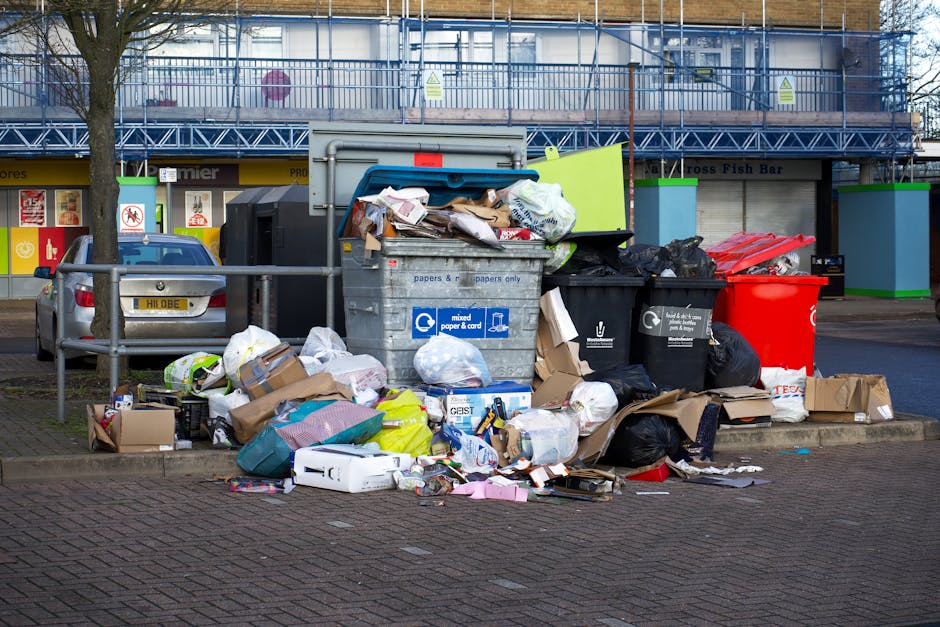
East London rubbish clearance guide for Stratford E15 homes
If you live in Stratford E15, rubbish can build up faster than you expect. One weekend it is a broken wardrobe, a few black bags, and some packaging from a flat refurb; the next, the hallway feels cramped and the loft is doing that classic London thing of becoming a dumping ground. This East London rubbish clearance guide for Stratford E15 homes is here to make the whole process feel less stressful, more manageable, and a lot more practical.
Whether you are clearing a family house, a compact E15 flat, a tired garage, or the leftovers from a small renovation, the trick is not just getting rid of waste. It is doing it safely, legally, and in a way that suits local living. That means thinking about access, sorting recyclable items, understanding what can and cannot be removed, and choosing the right clearance method for the job. Simple enough in theory. A little messier in real life, as most things are.
In this guide, you will find a clear walk-through of how rubbish clearance works in Stratford, what tends to cost you time and money, and how to avoid the common mistakes that lead to delays or extra hassle. You will also find a practical comparison of options, a real-world example, a checklist, and answers to the questions people actually ask.
Practical takeaway: the best Stratford E15 clearance job is usually the one that is planned before a single bin bag is lifted. A little prep goes a long way.
Table of Contents
- Why this matters for Stratford E15 homes
- How the clearance process works
- Key benefits and practical advantages
- Who needs this and when it makes sense
- Step-by-step guidance
- Expert tips for better results
- Common mistakes to avoid
- Tools, resources and recommendations
- Law, compliance and best practice
- Options and comparison table
- Case study
- Practical checklist
- Conclusion
- Frequently asked questions
Why East London rubbish clearance guide for Stratford E15 homes Matters
Stratford is busy, built-up, and often short on easy storage. That matters. A small pile of waste in a house with a driveway is one thing; a similar pile in a top-floor flat with narrow stairs, no lift, and limited loading space is another story altogether. In East London, clearance is as much about logistics as it is about waste.
For Stratford E15 households, rubbish clearance tends to matter for four reasons. First, space is precious. Second, many homes have mixed waste types: furniture, DIY waste, old appliances, garden cuttings, and general clutter all in one go. Third, poor disposal can become a neighbour issue very quickly, especially in apartment blocks. And fourth, the wrong approach can lead to damaged walls, awkward fly-tipping risks, or items sitting around for weeks because "we'll deal with it later" turned into a small household legend.
There is also the local context. Stratford sits close to busy routes, shared access spaces, and multi-occupancy buildings where timing and courtesy matter. If a clearance team turns up without thinking about access, parking, or stair width, things get clumsy fast. You notice it immediately: noise in the stairwell, doors propped open, and everyone trying to be polite while clearly wishing the sofa was already gone.
Put simply, rubbish clearance matters because it protects your space, your time, and your sanity. And yes, that last one counts.
If you are comparing services across East London, it can help to look at the broader area coverage on East London rubbish clearance support, especially if you are coordinating removals across more than one property.
How East London rubbish clearance guide for Stratford E15 homes Works
The basic process is straightforward, but the details matter. Most home clearances start with identifying what needs removing, then separating it into sensible categories. General household waste is different from bulky furniture, and builders' rubble is different again. That may sound obvious, but in a real Stratford home, the "just take everything" approach usually causes confusion.
A good clearance usually follows this pattern:
- Walk through the property and identify the waste.
- Separate bulky items, recyclable material, and anything that needs special handling.
- Check access points such as staircases, lifts, parking, and loading space.
- Estimate volume, weight, and the time needed to remove the items safely.
- Carry out the clearance and sweep up once the waste is removed.
For some jobs, you may only need a simple rubbish collection. For larger or mixed jobs, a broader rubbish clearance or waste removal service is usually more appropriate. That is especially true if you are dealing with a loft, garage, shed, or a room that has become a halfway house for old furniture and forgotten boxes.
Stratford properties can also have their quirks. New-build flats often have lifts and shared corridors, but they may also have strict building rules. Older houses may have easier access but more awkward carrying routes. Either way, the method should match the property, not the other way around.
And if your waste includes sofas, wardrobes, or other oversized household pieces, a dedicated furniture disposal or sofa removal solution can save a lot of lifting and head-scratching.
Key Benefits and Practical Advantages
Good rubbish clearance is not just about tidiness. It makes everyday life easier in ways that become obvious once the clutter has gone.
- More usable space: rooms feel bigger when they are not full of old items, packaging, and random storage.
- Less stress: you stop seeing the same pile every time you walk past it. That helps more than people admit.
- Safer walkways: fewer trip hazards, fewer blocked exits, and less chance of damage during busy mornings.
- Cleaner handover: useful for landlords, tenants, sellers, and anyone preparing a property for photos or viewings.
- Better sorting: recyclable and reusable items can be handled more sensibly than if everything is just shoved into one pile.
- Faster project progress: home improvements tend to move better once the waste is gone.
There is also the practical financial angle. A planned clearance often costs less than a rushed one because you are not paying extra for disorganisation. Fewer return visits, fewer wasted hours, fewer items left behind because nobody could get them out of the flat. Simple logic, really.
For home moves, inherited properties, or major tidy-ups, a structured home clearance or house clearance can be the difference between an all-day job and a much smoother half-day turnaround.
Who This Is For and When It Makes Sense
This guide is for Stratford E15 homeowners, tenants, landlords, and anyone managing a property that has started to collect more stuff than it should. To be fair, that happens to almost everyone at some point.
It makes particular sense if you are:
- moving out of a flat or house and need the place cleared quickly
- refreshing a rental and need old furniture removed
- dealing with a bereavement or an inherited property
- clearing a garage, loft, shed, or spare room
- finishing a DIY project and staring at builders' waste
- getting a property ready for sale or new tenants
- managing a bulky item that is too awkward for normal bins
It is also helpful if you are dealing with mixed rubbish. A pile of packaging, a broken chest of drawers, some green waste, and a bag of old tools is not unusual. In those cases, a mixed approach may work better than one single service. For example, garden waste might be better handled separately through garden clearance, while storage overflow may be suited to garage clearance.
If you run a home office or small business from Stratford, you may also need a more specialised route for paperwork, office furniture, or equipment. That is where office clearance and business waste become relevant, even if the property is technically residential.
Step-by-Step Guidance
If you want the smoothest possible clearance, do it in a clear sequence. No drama. No last-minute panic. Just method.
1. Make a full room-by-room list
Start with the obvious stuff, then check the corners. Behind doors, under beds, in cupboards, the dreaded "we'll sort that later" shelf. You do not need to catalogue every spoon, but you do need a realistic sense of volume.
2. Separate items by type
Group waste into categories:
- general household rubbish
- bulky furniture
- appliances and electricals
- DIY or builders' waste
- garden cuttings and outdoor waste
- items that may be reusable or donate-worthy
This step matters because it helps decide what clearance method fits best. A pile of old bricks is not the same as a stack of wardrobe panels. The practical difference is bigger than most people expect.
3. Check access before booking
Think about lift size, stair turns, parking distance, building rules, and whether large items will fit through hallways. In Stratford flats, this can be the part that saves the day. A van parked ten metres closer can mean a much quicker clearance and less disruption for everyone.
4. Choose the right service mix
For standard household waste, a general waste clearance or waste collection service may be enough. For heavier or mixed loads, a fuller rubbish removal approach is often simpler. If you are clearing a property top to bottom, home or house clearance is usually the better fit.
5. Remove the easiest items first
During the actual clearance, start with items that clear space quickly: packaging, loose bags, smaller boxes, and broken pieces. That makes it easier to manoeuvre bulky items later. It sounds minor. It is not.
6. Finish with a proper sweep-through
Once the waste is gone, do one final check of cupboards, drawers, loft corners, and outdoor nooks. Plenty of clearances go sideways because one hidden pile gets missed. And then everybody does that awkward "I thought you'd taken it" thing.
Expert Tips for Better Results
After a lot of clearance work, a few habits keep showing up as the difference between a tidy job and a frustrating one.
- Photograph the waste before clearing: it helps you gauge volume and avoids guesswork later.
- Keep batteries, paint, and chemicals separate: these items need more care than normal rubbish.
- Flatten cardboard where possible: it saves space and makes the load neater.
- Do not overfill bags: overpacked bin bags split at the worst possible moment, usually on stairs.
- Clear one room at a time: it helps with focus and stops the whole home from turning into a battlefield.
- Plan around building quiet hours: especially in flats, where noise and lift use can matter a great deal.
A useful local observation: in Stratford, the fastest jobs are rarely the ones with the most urgent tone. They are the ones where the customer has done a little sorting beforehand. Even just five minutes of grouping items can save a lot of carrying time.
Another small but important tip: if you are unsure whether an item belongs in general waste, furniture disposal, or builders' waste, keep it separate until you can identify it. That tiny pause can prevent a messy mix-up. It sounds fussy, but it works.
Common Mistakes to Avoid
Here is where things usually go wrong.
Leaving sorting until the last minute
If everything is dumped into one corner, the clearance takes longer and becomes harder to price fairly. A quick sort beforehand makes a real difference.
Underestimating bulky items
A single sofa or mattress can be deceptively awkward. The shape matters, not just the weight. Bulky furniture may need specialist handling, which is why furniture disposal exists as its own service.
Forgetting access problems
A waste pile that looks small from the living room may be a nightmare to get down three flights of stairs. Measure first, guess later. Or better yet, avoid guessing altogether.
Mixing builders' waste with household rubbish
Bricks, tiles, plasterboard, timber, and broken fittings are not standard household waste. If your clearance includes renovation debris, you may need builders' waste support rather than a general domestic collection.
Ignoring special items
Fridges, old TVs, paint tins, and similar items can need specific handling. Do not assume everything can be treated the same way. It rarely works out well.
Not checking what happens after collection
A reputable waste service should handle disposal responsibly. If a provider cannot explain what happens after the load leaves your property, that is not ideal. Let's say it plainly.
Tools, Resources and Recommendations
You do not need a van-load of equipment for a household clearance, but a few simple tools help a lot.
- Heavy-duty bags: better for mixed household rubbish and smaller loose items.
- Labels or marker pens: useful for marking keep, donate, and clear piles.
- Gloves: good for old loft spaces, dusty sheds, and sharp edges.
- Tape and a box cutter: handy for flattening cardboard and separating packaging.
- Measuring tape: especially useful if you are checking whether a sofa or wardrobe will fit through a narrow gap.
For property-wide clear-outs, flat clearance can be useful in apartment settings, while home clearance is often a better fit for full domestic jobs. If the job is a broader move-on or end-of-tenancy tidy-up, rubbish collection may be enough for smaller loads, but larger jobs usually benefit from a more complete service.
One more recommendation: if your home has both inside and outside waste, split them. Keep garden material with garden waste and keep domestic rubbish separate. It makes the load neater and usually easier to manage.
Law, Compliance, Standards, or Best Practice
For Stratford E15 homes, the safest rule is simple: make sure your waste is handled by a responsible, traceable route. UK households have a duty to avoid fly-tipping and to be careful about who removes their rubbish. That does not mean you need to become a waste-law expert. It does mean you should use a service that can explain how waste is managed and disposed of properly.
A few best-practice points are worth keeping in mind:
- do not leave waste outside in a way that could be mistaken for fly-tipping
- separate hazardous or awkward items from normal household rubbish
- avoid mixing incompatible waste streams without checking first
- be cautious about who agrees to take your rubbish, especially if they seem vague or overly casual
- keep any paperwork or booking details you receive
If you are clearing a property as part of a tenancy end, sale, or family move, it also helps to align with building rules and any landlord or managing-agent requirements. That is especially relevant in Stratford apartment blocks, where shared areas need to stay clear and safe.
For people who want to understand service terms, the pages on terms and conditions and privacy policy can be useful for checking how a company handles bookings and information. And if you want to learn more about the people behind the service, the about us page can help build trust. No need to overcomplicate it.
Options, Methods, or Comparison Table
Not every rubbish problem needs the same solution. The best choice depends on volume, item type, access, and how quickly you want the space back.
| Option | Best for | Strengths | Watch-outs |
|---|---|---|---|
| DIY trip to the tip | Small loads, flexible schedules | Can work for very small volumes | Time-consuming, vehicle needed, lifting involved |
| General rubbish collection | Mixed household waste | Simple for smaller clear-outs | Not always ideal for bulky or heavy items |
| Rubbish removal service | Moderate to large domestic loads | Convenient, less lifting for you | Needs good access planning |
| House or home clearance | Full property clear-outs | Best for large, mixed domestic jobs | Works best with clear instructions and sorting |
| Builders' waste collection | DIY and renovation debris | Suited to rubble, timber, fittings | Not for normal household rubbish |
| Furniture or sofa removal | Bulky items | Great for awkward large pieces | May need separate handling for special materials |
If your Stratford home only needs a few bags removed, keep it simple. If you are looking at a room full of mixed items, a stronger clearance route usually saves time and frustration. Truth be told, people often try to make a big job behave like a small one. It rarely does.
Case Study or Real-World Example
A common Stratford scenario goes like this. A couple in an E15 flat has just finished redecorating the living room. They have an old sofa, two wardrobes, flat-pack packaging, a broken sideboard, a few boxes from storage, and leftover bits from a minor refurb. The flat is on an upper floor, the lift is narrow, and the shared hallway is not exactly generous.
At first glance, it looks like a straightforward tidy-up. But the mix of waste tells a different story. The furniture needs careful removal. The packaging can be flattened. The refurbishment debris needs sorting separately. The lift size means the larger items must be checked before anything is lifted. If they had tried to deal with it by placing things outside in stages, they would probably have ended up with a mess in the common area and a much bigger headache.
Instead, the better route is to sort the waste first, confirm access, and use the right mix of services. In many cases, that means pairing sofa removal with a broader waste removal or rubbish clearance service. The result is less lifting, fewer delays, and a property that feels calm again by the end of the day.
The big lesson? The right clearance plan is usually quieter and less dramatic than people expect. That is a good thing.
Practical Checklist
Use this before your Stratford E15 clearance:
- walk through every room and list what needs removing
- separate household waste, furniture, garden waste, and builders' waste
- check stairs, lifts, parking, and access routes
- measure oversized items if you are unsure they will fit
- flatten cardboard and bundle loose packaging
- keep hazardous or unusual items separate
- decide whether you need a simple collection or a full clearance
- clear a path to the front door or loading point
- take quick photos if you want to compare options or confirm volume
- do a final room check before the team leaves
Quick reminder: the cleaner the prep, the smoother the job. It really is that straightforward.
Conclusion
Rubbish clearance in Stratford E15 does not need to be stressful, but it does need a bit of thought. The homes here are varied, the access can be tight, and the waste often arrives in mixed piles rather than neat categories. That is normal. The best approach is to sort early, choose the right clearance method, and keep an eye on practical details like access and item type.
Whether you are clearing a flat, a family home, a garage, or the remains of a DIY weekend that got away from you, the goal is the same: get the space back without creating more hassle than you started with. If you take one thing from this guide, let it be this: a little planning now saves a lot of dragging, waiting, and muttering later.
Get a free quote today and see how much you can save.
And if the job still feels bigger than you want to handle alone, that is fine. Some jobs are just better tackled with a proper plan and a calm pair of hands. One less thing to worry about, and a bit more breathing room in your home.
Frequently Asked Questions
What is the best rubbish clearance option for a Stratford E15 home?
It depends on what you need removed. For small mixed loads, rubbish collection may be enough. For bulky furniture, a dedicated furniture or sofa removal service helps. For a whole property, home or house clearance is usually the better fit.
How do I know if I need builders' waste clearance?
If your waste includes rubble, plasterboard, timber, tiles, bathroom fittings, or other renovation debris, you probably need builders' waste handling rather than standard household rubbish clearance.
Can rubbish be cleared from a flat with limited access?
Yes, but access needs to be checked properly first. Narrow stairwells, lifts, shared corridors, and parking restrictions can all affect the approach, so it helps to plan ahead.
Is furniture disposal different from general rubbish removal?
Usually, yes. Furniture is bulky, awkward, and often needs more careful handling than normal rubbish bags. A dedicated furniture disposal option is often simpler and safer.
Do I need to sort waste before booking clearance?
It is not always required, but it helps a lot. Even a basic sort between household rubbish, furniture, garden waste, and renovation debris can make the clearance smoother and quicker.
What happens if I have a mix of garden and household waste?
Mixed waste can often be handled, but it is better to separate it where possible. Garden waste and household rubbish are different streams, and splitting them helps with planning and disposal.
How far in advance should I arrange a clearance?
As soon as you know what needs removing. That said, if you are working to a move-out deadline or renovation schedule, booking earlier is usually safer. Last-minute clearances are possible, but they are less relaxing, let's put it that way.
What should I do with old sofas and mattresses?
Sofas and mattresses are bulky and can be awkward to carry. They are usually best handled through a dedicated sofa removal or furniture disposal service rather than left to normal household waste channels.
Can a clearance service take everything from my home?
Most can remove a wide range of domestic items, but some things may need special handling. It is sensible to mention unusual items up front so the right plan can be made.
What is the difference between rubbish clearance and waste removal?
In everyday use, people often mean very similar things. Generally, rubbish clearance suggests the removal of mixed unwanted items from a property, while waste removal is a broader term that can cover many different waste types.
What should I check before choosing a clearance provider?
Check that they explain how waste is handled, whether they can deal with your item type, and whether they understand local access issues in Stratford E15. Clear communication is often the best sign of a good service.
Is a full house clearance always necessary?
No. If you only have a few bulky items or one room to clear, a smaller service may be more practical. A full house clearance makes sense when several rooms or the whole property need emptying.
Can I use this guide for nearby East London areas too?
Yes. The same basic logic applies across East London, although access, property type, and waste mix can vary a lot. If you are comparing options across the area, browsing the wider East London pages can help you judge what fits best.