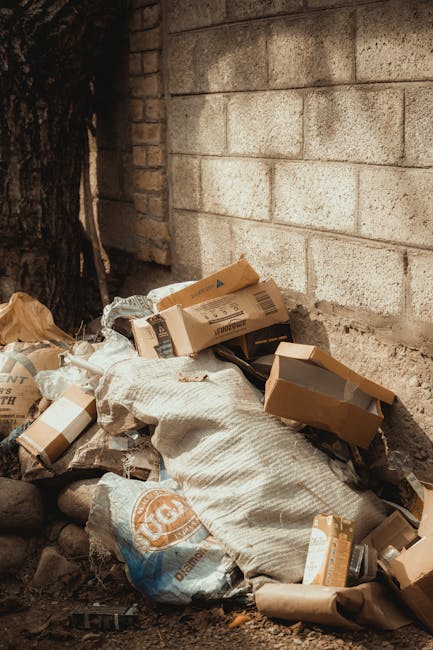
Avoid hidden charges with East London rubbish removal quotes

If you have ever stared at a rubbish removal quote and thought, "Right, but what am I actually paying for?", you are not alone. Hidden fees are one of the quickest ways a simple clearance turns into a frustrating job. The good news is that you can avoid hidden charges with East London rubbish removal quotes if you know what to ask, what to compare, and which details matter before anyone arrives with a van. This guide breaks it all down in plain English, with practical steps you can use whether you are clearing a flat, an office, a garden, or a builder's load that has somehow multiplied overnight.
Truth be told, most bad surprises come from vague pricing, rushed estimates, or assumptions on both sides. Let's fix that. Below you will find a clear framework for checking quotes, spotting add-ons, and choosing a service that feels straightforward from the first call to the final sweep-up.
Why Avoid hidden charges with East London rubbish removal quotes Matters
Hidden charges do more than increase the bill. They create stress, slow down decisions, and make it harder to trust the people doing the work. In East London, where access can be tight, parking can be awkward, and buildings often have their own quirks, a quote that looks cheap at first glance can become expensive quickly if the details were never nailed down.
This matters especially when you are dealing with jobs that already have moving parts. A flat clearance may involve stairs, permits, or limited loading time. A garden clearance can include heavy soil, awkward branches, and bags that weigh more than they look. Even a straightforward furniture disposal can shift if the crew discovers extra items or difficult access. That is why transparent pricing is not a luxury; it is part of getting the job done without the aftertaste of "I wish I'd checked that."
There is also a trust angle. A clear quote tells you the company understands the job, has asked sensible questions, and is being honest about the real cost. If a provider cannot explain their pricing in simple terms, that is usually the first little warning bell. Not always a red flag, but worth paying attention to.
Expert summary: The cheapest rubbish removal quote is not always the best value. The best quote is the one that explains what is included, what could change, and how any extras are handled before the work begins.
How Avoid hidden charges with East London rubbish removal quotes Works
At its core, a rubbish removal quote should answer three questions: what needs removing, how much space it will take, and what conditions affect the job. Most reputable firms base pricing on volume, weight, item type, labour time, access, and disposal costs. That sounds technical, but in practice it is simple: the more accurate the information, the more reliable the quote.
A proper quote process usually starts with a description of the waste. Is it mixed household rubbish, old furniture, office clear-out material, green waste, builder's rubble, or a bit of everything? Then comes access: can the team park close by, or will they need to carry items down multiple floors? Is there a lift? Are there narrow hallways, controlled entry, or loading restrictions? These details matter more than people think. A job that looks small on paper can become more labour-intensive once the van is actually outside.
Some businesses will offer a rough estimate first and then confirm the final price after seeing the load. That is normal, as long as the process is explained clearly. The issue is not changing the price when new information appears; the issue is hiding the conditions that trigger the change. To be fair, most misunderstandings happen because the customer assumed the quote included things it never mentioned.
If you want a broader sense of the services that can affect pricing, it helps to compare them across different clearance types such as house clearance, office clearance, or builders waste removal. The job type shapes the quote, so a one-size-fits-all estimate is usually too shallow to trust.
What should be included in a clear quote?
A transparent quote should normally spell out the collection, labour, loading, disposal, and any likely access-related costs. It should also explain whether VAT is included, whether there are minimum charges, and whether there are extra fees for heavy items, mattresses, fridges, or multiple trips. If the quote is vague on all of that, you are basically being asked to guess. And guesswork is where hidden charges like to live.
Key Benefits and Practical Advantages
There is a very practical upside to avoiding hidden charges: you can compare quotes properly. Once you know what is included, you stop comparing apples with oranges and start comparing real value. That makes budgeting easier, especially if you are clearing a property before a move, handling a renovation, or trying not to let a small job drift into a much bigger spend.
Here are the main benefits of insisting on transparent rubbish removal pricing:
- Cleaner budgeting: You know the likely cost before the crew arrives.
- Fewer disputes: Clear expectations reduce awkward conversations on the doorstep.
- Better service comparison: You can judge offers on what they actually include.
- Less wasted time: No chasing for explanation after the job.
- More confidence: You can book with far less second-guessing.
Another quiet benefit is speed. When the provider has enough information to price the job properly, things tend to move faster on the day. The team knows what to expect, what tools to bring, and whether they need extra help. That saves everyone from the classic "we thought it would be easier" conversation at the kerbside.
Transparent pricing can also help you choose the right service for the job. For example, a mixed domestic load may fit better with a general rubbish clearance or waste removal service, while a larger clear-out may be better suited to home clearance or waste collection. Matching the service to the task often reduces surprises before they happen.
Who This Is For and When It Makes Sense
This approach is useful for almost anyone booking rubbish removal in East London, but it is especially valuable if you are on a budget, working to a deadline, or dealing with a property where access is a bit of a headache. Let's face it, East London has a lot of old buildings, busy streets, shared entrances, and parking rules that can turn a simple collection into a small logistical puzzle.
You will benefit most from quote clarity if you are:
- moving home and need a fast, tidy clearance
- clearing a rental property after tenants leave
- sorting out a flat, maisonette, or shared house
- removing bulky furniture or white goods
- disposing of garden waste after a big tidy-up
- handling office junk, archived paperwork, or broken fittings
- managing builders waste after a renovation
It also makes sense if you have limited time to compare providers. A vague price might look attractive when you are rushed, but when the job is time-sensitive, the last thing you need is a late-stage price jump. You need certainty. Or at least enough certainty to sleep properly that night.
For many customers, the simplest route is to check whether the service type matches the job size. For example, furniture disposal is often a better fit for single bulky items, while garage clearance or garden clearance may be better for mixed waste and heavier volumes. That little bit of alignment can save both money and frustration.
Step-by-Step Guidance
If you want a quote without nasty surprises, use a proper process rather than going on instinct. A few minutes of care at the start can save a lot of annoyance later. Here is a straightforward way to do it.
- List exactly what needs removing. Be specific. "A few bits of rubbish" is not enough. Write down items, approximate volume, and whether anything is unusually heavy, fragile, or awkward.
- Take photos from different angles. A couple of clear pictures often help more than a long explanation. Include access routes, stairs, alleyways, or parking restrictions if they matter.
- Ask what the quote includes. Check labour, loading, disposal, VAT, call-out rules, and any extra charges. If something is excluded, ask how much it could add.
- Check how access affects the price. Stairs, lifts, distance from van to property, and waiting time can all influence the final cost.
- Confirm the waste type. Some items can be pricier to handle than others. Mixed waste, heavy rubble, or specialist items are not the same as bagged household rubbish.
- Request the pricing logic in plain English. If the company cannot explain the price simply, that is a problem in itself.
- Get the final agreement in writing. Email, text, or booking confirmation is fine. What matters is that the key terms are visible.
A small but useful habit: read the quote back to yourself as if you were trying to prove it wrong. Sounds a bit suspicious, maybe, but it works. If you can clearly understand what would make the price change, you are already in a much safer position.
A useful question to ask
"If the load is slightly bigger than expected, how is the extra cost calculated?" That one question can reveal a lot. A fair provider will answer directly. A dodgy one will dance around it a bit.
Expert Tips for Better Results
Over the years, one thing becomes obvious: the best outcomes usually come from better information, not bargain-hunting alone. A company can only quote properly if you give them enough to work with. So if you want to avoid hidden charges with East London rubbish removal quotes, here are the habits that make a real difference.
- Be honest about volume. Slightly underestimating the load is the fastest way to create friction.
- Mention access problems early. Basement flats, top-floor walk-ups, and no-parking streets matter.
- Ask whether waiting time counts. If the team needs to wait for keys, buzz-in access, or site clearance, find out how that is handled.
- Check if heavy lifting is covered. Some jobs need more than a basic kerbside pickup.
- Separate sentimental items from waste. Sounds odd, but people often forget one important box in the rush and regret it later.
- Compare like for like. A lower quote that excludes disposal or labour is not actually cheaper.
Here is another practical point: ask whether the company offers different levels of service. A large house clearance, for example, may be easier to price accurately than a one-off load with odd items scattered through several rooms. In those situations, services such as flat clearance or garage clearance may give you a more precise fit than a generic waste quote.
And if you are comparing providers across East London, local familiarity counts. A team that regularly works around areas like Whitechapel, Stratford, or Canary Wharf is more likely to understand access, parking, and timing issues that affect the real price. Not always, but often enough to matter.
Common Mistakes to Avoid
Most hidden charge problems can be traced back to a handful of very ordinary mistakes. Nothing dramatic. Just small assumptions that pile up.
- Assuming a quote is fixed when it is only estimated. Always check which it is.
- Forgetting to mention awkward items. A mattress, sofa, safe, or rubble bag can change the work involved.
- Ignoring access issues. "It's just round the back" can mean very different things to different people.
- Comparing only headline prices. Cheap quotes often hide charges in the fine print, or in the words spoken quickly on the phone.
- Not asking about disposal fees. Disposal is part of the real cost, not an optional extra.
- Leaving questions until the crew arrives. That is usually too late.
A classic one is the "we didn't know it was mixed waste" problem. One bag of general rubbish might be simple, but when the load includes wood, metal, plasterboard, or garden waste, the disposal requirements can shift. That does not mean the company is wrong to adjust the price. It means the quote should have asked better questions.
Another common slip is booking the first quote because you are busy. Fair enough, we have all done it. But if the quote is unusually low and the explanation is thin, pause for a minute. That minute can save you a lot of money.
Tools, Resources and Recommendations
You do not need special software to avoid hidden charges. A notebook, your phone camera, and a few good questions will do most of the work. Still, a simple system helps.
Useful tools and habits include:
- Phone photos: capture the waste, the route out, and any access pinch points.
- Measurements: rough estimates of room size, pile height, or item dimensions help more than you might expect.
- Item list: note bulky items, appliances, bags, and anything that may need two people to lift.
- Message trail: keep a written record of the quoted terms so nothing gets lost in a phone call.
- Calendar reminder: useful if the price depends on a specific collection window or access time.
As for recommendations, look for services that clearly describe what they handle. If your job is more specific, a tailored service can be the safer choice. For example, sofa removal is better for a single bulky item, while waste disposal may suit mixed household loads. For business premises, business waste and rubbish collection can be a better fit when regular or time-sensitive clear-outs are involved.
One more thing: if a provider is happy to explain how they work and what happens if the load changes, that is usually a good sign. Calm answers beat flashy claims every time.
Law, Compliance, Standards, or Best Practice
When rubbish is being collected and disposed of, best practice matters. In the UK, waste handling should be carried out responsibly, and reputable operators will usually be careful about where waste goes and how it is managed. You do not need to know every technical detail to make a good decision, but you do want to see signs that the provider takes this seriously.
From a customer point of view, the main compliance-related questions are simple:
- Is the waste being removed and disposed of in a lawful way?
- Does the company explain what happens to different waste types?
- Are any restricted or specialist items handled separately if needed?
- Is the pricing clear enough that you know what you are paying for?
For some jobs, especially larger clearances or mixed waste loads, the provider should be able to explain how they handle recyclable material, bulky waste, and items that require extra care. You do not need a lecture. Just clear answers. That is usually enough to show they are operating with proper standards.
It is also good practice to make sure the quote reflects the reality of the job. If the company asks questions about access, waste type, and item volume, that is not a hassle; it is a sign they are trying to avoid surprises for both sides. A sloppy quote is not a sign of flexibility. Usually it is just a sloppy quote.
Options, Methods, or Comparison Table
Different jobs call for different quote styles. Some people want a quick estimate for a few items. Others need a more detailed assessment for a larger or more complex clearance. Here is a simple comparison to help you choose.
| Quote approach | Best for | Pros | Watch out for |
|---|---|---|---|
| Phone estimate | Small, straightforward loads | Fast and convenient | Can be less accurate if access or item size is unclear |
| Photo-based quote | Mixed household waste or bulky items | Better visual accuracy | Needs clear photos and honest detail |
| On-site quote | Large, awkward, or uncertain jobs | Most reliable for complex clearances | May take more time to arrange |
| Fixed-price agreement | Well-defined jobs with full details | Best for budget certainty | Depends on the information being accurate |
In practice, the right option depends on how much uncertainty there is. If the job is tiny and simple, a phone estimate may be enough. If you are clearing a property full of mixed items, a more detailed quote is safer. That is just common sense, really, though common sense is sometimes the first thing to disappear during a house move.
Case Study or Real-World Example
Imagine a couple clearing a two-bedroom flat near a busy East London road. They want to get rid of a wardrobe, a sofa, several bags of mixed household waste, and a few boxes from the spare room. Their first quote is cheap, but the price only covers curbside loading and excludes stair carrying, mixed waste handling, and a disposal surcharge for the sofa. By the time everything is added, the "bargain" is no longer a bargain.
Now compare that with a second provider who asks for photos, confirms the floor level, checks whether there is lift access, and explains what is included in the collection price. The second quote may not be the lowest on paper, but it is far easier to trust. The couple knows what they are paying for, and on the day there are no awkward adjustments while the sofa is halfway through the hallway.
That is the real difference. Transparent quoting may feel slower at the start, but it usually makes the whole job smoother. Less noise, fewer surprises, better outcomes. Simple enough.
Practical Checklist
Use this checklist before you accept any East London rubbish removal quote:
- Have I listed all items that need collecting?
- Have I included photos of the waste and access route?
- Do I know whether the quote is fixed or estimated?
- Does the price include labour, loading, and disposal?
- Have I asked about VAT or minimum charges?
- Have I mentioned stairs, narrow access, or parking restrictions?
- Do I know whether heavy, bulky, or specialist items cost extra?
- Have I asked what happens if the load is bigger than expected?
- Is the agreed price written down somewhere?
- Does the service type match the job properly?
If you can tick most of those boxes, you are in a much stronger position. Not perfect, perhaps, but solid. And solid is what you want when money and logistics are both on the table.
Conclusion
Avoiding hidden charges with East London rubbish removal quotes is mostly about clarity, not luck. When you know what to ask, compare, and confirm, you can choose a service with far less stress and a lot more confidence. The key is to treat the quote as a conversation, not just a number. Ask about access, waste type, labour, disposal, and any possible extras before anyone turns up.
That approach works whether you are clearing a single sofa, a cluttered flat, a garage full of old bits, or a larger property after renovation or tenancy change. It is practical, fair, and a lot less painful than dealing with surprise add-ons after the fact. And honestly, a clear quote just feels better. You can get on with the day without that little knot in your stomach.
Get a free quote today and see how much you can save.
When the price makes sense and the process is open, the whole job becomes easier. That peace of mind is worth a lot.
Frequently Asked Questions
How do I avoid hidden charges with rubbish removal quotes in East London?
Ask exactly what is included, share photos, mention access issues, and confirm whether the price is fixed or estimated. If the provider is vague, keep asking until it is clear.
What extra costs should I look out for?
Common extras can include stair carrying, difficult access, heavy items, minimum load charges, VAT, waiting time, and disposal differences for certain waste types.
Is the cheapest quote usually the best value?
Not always. A low headline price can leave out labour or disposal costs. The best value is usually the quote that explains everything clearly from the start.
Should I send photos before getting a quote?
Yes, if you can. Photos make it much easier to estimate volume, check access, and avoid misunderstandings later. A quick picture often saves a lot of back and forth.
Do rubbish removal companies charge more for flats?
They can, especially if there are stairs, no lift, limited parking, or long carry distances. It is not just the floor level; it is the access overall.
What if my load turns out to be bigger than expected?
A fair company should explain how extra volume is priced before starting. That is why asking in advance matters. You want to know the adjustment rule before the van is loaded.
Can I get a fixed-price rubbish removal quote?
Often yes, if the job is clear enough and the details are accurate. Fixed pricing works best when the waste type, volume, and access are properly described.
Are bulky items like sofas or mattresses treated differently?
They can be. Bulky items may require more labour or specific disposal handling, so it is best to mention them individually rather than bundling them into a general description.
How can I tell if a quote is trustworthy?
A trustworthy quote is specific, easy to understand, and clear about what could change the price. If the wording is fuzzy, ask for clarification before booking.
Does waste type affect the final price?
Yes, it often does. Mixed waste, builder's waste, green waste, and certain bulky items may have different handling or disposal requirements, which can affect cost.
What should be written in the quote or confirmation?
Ideally, the quote should mention what is included, what is excluded, the estimated or fixed price, and any conditions that could change the final cost. Written confirmation is always worth having.
When does an on-site quote make more sense than a phone estimate?
Use an on-site quote when the job is large, the access is awkward, or the waste is mixed and hard to judge from photos. The more uncertain the job, the more useful a direct assessment becomes.